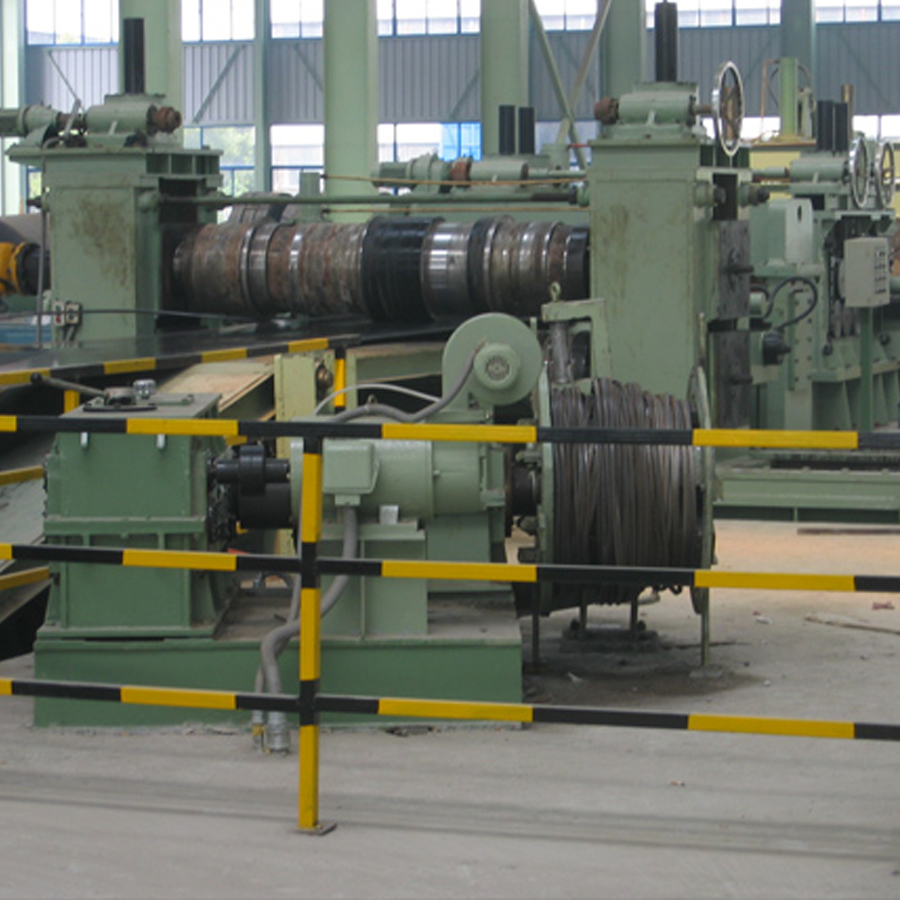
A new servo‑driven Slitting Machine from a German manufacturer is finally addressing that waste. Instead of running a fixed‑speed motor that draws full current regardless of load, the unit uses a permanent‑magnet servo motor that adjusts torque and speed in real time. During the cut, it ramps up to demand; between cuts, it drops to idle—drawing less than 10% of peak power. Independent energy monitoring over a three‑month trial showed a 20% reduction in average power draw compared to the plant's existing conventional slitter. On an annual basis, that single machine saved enough electricity to power seven average American homes.
The savings come from the servo's ability to match motor torque to the actual cutting resistance. When slitting lightweight tissue, the motor runs at lower current; when switching to heavy duplex board, it automatically increases torque without overshooting. The control algorithm also learns the operator's typical cycle pattern, pre‑emptively adjusting acceleration curves to avoid wasted spin‑up time. The result is not just lower energy bills, but also less mechanical stress on the drive train—a bonus that extends bearing life and reduces maintenance calls.
The same servo technology is making inroads into other metal‑forming equipment, though with different challenges. In a Roll Forming Machine, the load is more constant because the material runs continuously through the rollers, but the servo still reduces peak demand during acceleration and deceleration of the coil ends. One roofing panel manufacturer reported a 15% energy saving after retrofitting its roll former with servo drives, though the payback period was longer due to the higher initial torque requirements.
In the Aluminum Tube extrusion sector, servo drives are rarer because the load is heavy and highly variable. Tube mills often rely on large hydraulic motors for the piercing and drawing stages, but some new lines are incorporating servos for the sizing and straightening sections. A European aluminum tube producer cut its auxiliary power use by 18% by replacing fixed‑speed cooling‑bed fans with servo‑controlled units, though the main extrusion press remains hydraulic—for now.
The 20% saving on a paper slitter might not sound revolutionary, but in a low‑margin industry where energy is the second‑largest operating cost after raw materials, that number translates directly to competitiveness. The servo motor's premium paid for itself in 19 months in the Wisconsin plant. After that, the savings are pure margin—and a reminder that sometimes the smartest upgrade is the one that lets a machine think before it acts.