A novel aluminum alloy tube, recently launched by a mid‑sized extruder in Alabama, aims to rewrite that schedule. The 5083‑H116 grade Aluminum Tube has undergone independent third‑party salt fog testing per ASTM B117 and recorded zero surface perforation after 5,000 hours of continuous exposure—more than triple the typical threshold for marine‑grade carbon steel. The secret isn't a fancy coating; the alloy's magnesium‑chromium matrix naturally forms a stable oxide layer that self‑repairs minor scratches, while an added anodic oxidation step thickens the protective film to 25 microns. In side‑by‑side beach exposure trials, samples showed only superficial dulling after six months, while galvanized steel counterparts were covered in orange blooms.
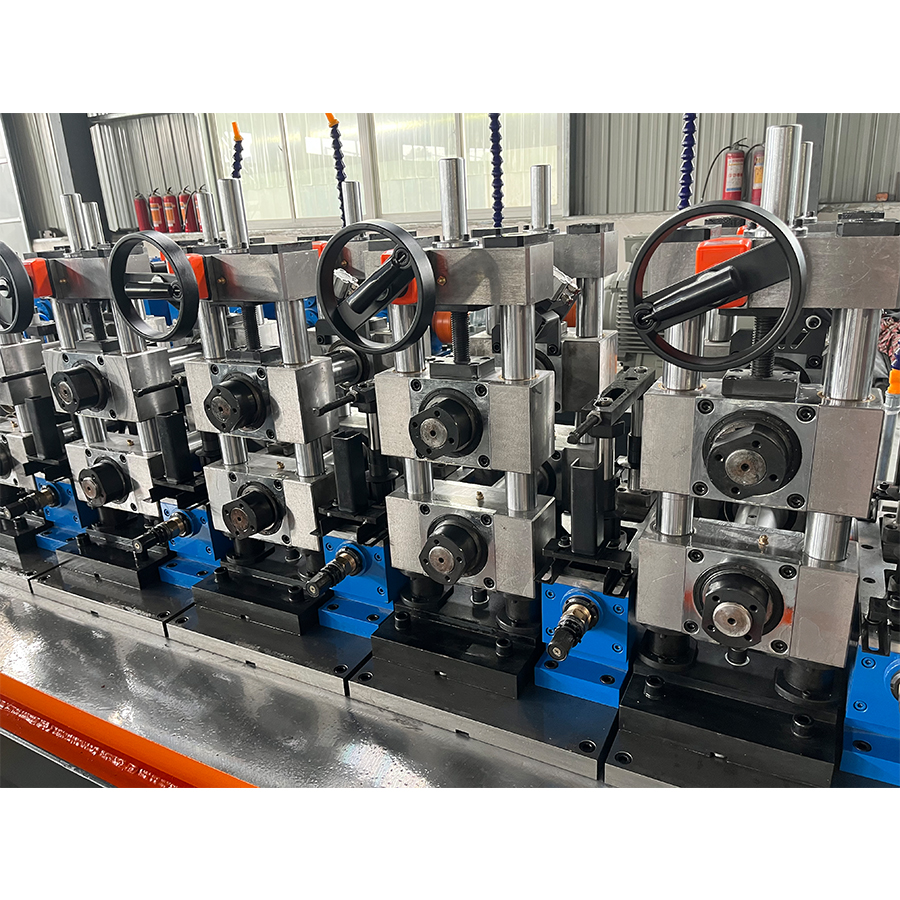
The manufacturing process for these tubes has also seen a notable upgrade. The extruder employs a computer‑controlled Roll Forming Machine to create precise longitudinal reinforcing ribs on selected profiles—a feature that adds rigidity without increasing wall thickness, which is critical for weight‑sensitive marine applications like boat boarding ladders. The roll forming unit operates in‑line with the extrusion press, shaping the tube's exterior geometry before the metal fully cools, ensuring that the ribs align perfectly with the tube's structural axis. This eliminates secondary welding of stiffeners, a common source of corrosion initiation points.
Interestingly, the new aluminum tube's growing presence is starting to displace traditional products that rely on legacy Steel Tube Mill Machine infrastructure. Those massive mills—with their high‑frequency welding stations and sizing stands—remain the workhorses for oil‑and‑gas pipelines and structural columns, but mill managers are noticing a shift in small‑diameter, non‑critical lines. One Texas mill that typically runs 2‑inch steel conduit for coastal chemical plants reported that two of its regular buyers have switched to aluminum for cooling water loops, citing a ten‑year projected maintenance savings of nearly $80,000 per plant. The steel tube mill machine still runs at capacity for high‑pressure applications, but the order book for lightweight, corrosion‑resistant tubing is shrinking—and the mill is now exploring coil‑coating lines to fight back.
Back on the dock, the early adopters are practical about it. The marina supervisor in Sarasota who installed 800 feet of the new aluminum tube for his fuel dock's fresh‑water system told us he'll know in five years if it's worth the premium. "Right now, I'm just happy I don't have to scrape rust off my shirt after every inspection." With 5,000‑hour salt spray as a baseline, he might be waiting longer than he thinks.