From Reactive to Predictive: The New Standard
The old approach was simple: run the machine until it breaks, then fix it. This reactive method is still widespread, but it comes at a steep price. Studies show that unplanned downtime costs manufacturers an average of $22,000 per minute in the steel tube sector. Predictive maintenance flips this model. By equipping roll forming machine lines with vibration sensors, temperature monitors, and current draw analyzers, facility managers can detect wear patterns long before they cause a failure. The system alerts the team when a bearing starts to run hot or when a gearbox shows abnormal vibration—giving them time to schedule maintenance during planned stops.
What the 60% Reduction Actually Means
For a typical tube mill producing 500 tons per week, a single unplanned stoppage of four hours can lose 20 tons of output. Reducing such events by 60% translates to reclaiming hundreds of production hours annually. One early adopter reported that predictive alerts caught a failing weld box driver before it seized—saving a $45,000 component and preventing a two-day shutdown. That single event paid for the entire sensor network.
The Technical Foundations
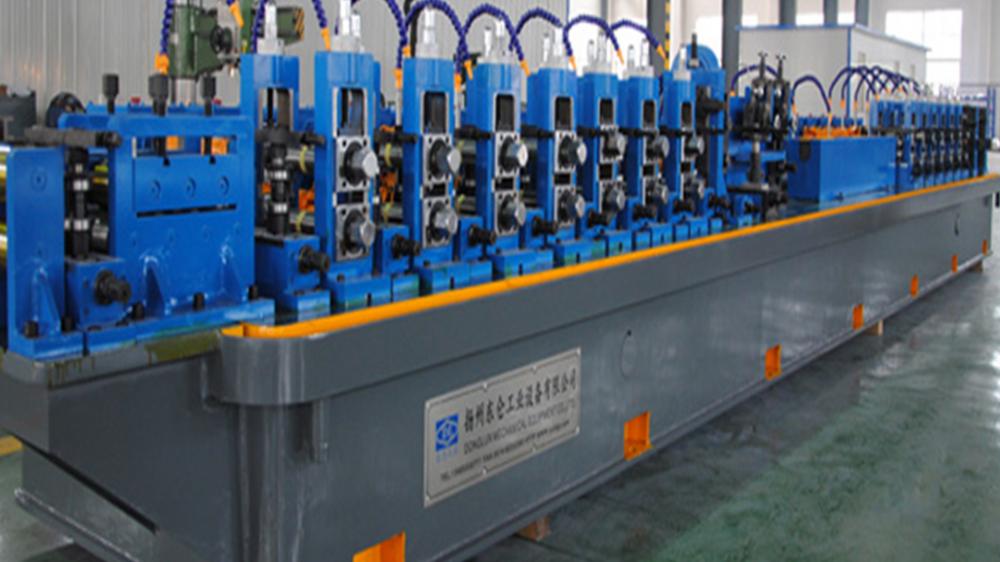
Modern steel tube mill machine lines now integrate PLC-based monitoring with wireless sensor nodes at key points: the roll forming stand bearings, the weld box, and the sizing section. For aluminum tube lines, which operate at different thermal profiles, the predictive algorithms are adjusted for lower temperature thresholds but similar vibration patterns. The result is a unified monitoring platform that works across materials, whether steel or aluminum.
Connecting Sensors to Savings
Advanced systems now combine sensor data with machine learning to distinguish normal wear from genuine failure risks. The AI model continuously learns from production patterns—identifying the signature of a worn roll before it leaves visible marks on the tube surface. A well-tuned predictive maintenance program reduces not just downtime but also rejects, since operators are alerted when dimensions drift just 0.01mm out of specification.
Procurement Implications
For buyers, the focus is on selecting suppliers who can deliver steel tube mill machines with embedded sensor packages and open protocol communication. The hardware matters, but the data platform is where the real value lies. Choose systems that integrate with existing ERP and MES platforms for seamless alerts.