For decades, tube mills operated on a reactive model—run equipment until something broke, then scramble to fix it. That era is ending. The integration of AI and IoT is fundamentally reshaping how steel tube mill machines are monitored, maintained, and operated.
The numbers are compelling. Manufacturers using IoT-enabled predictive maintenance have reported a 20% reduction in downtime. Some case studies show even more dramatic results—downtime reductions of 25–40% with improved product consistency. A Deloitte study found that predictive maintenance can slash machinery downtime by up to 50% while reducing maintenance costs by as much as 40%.
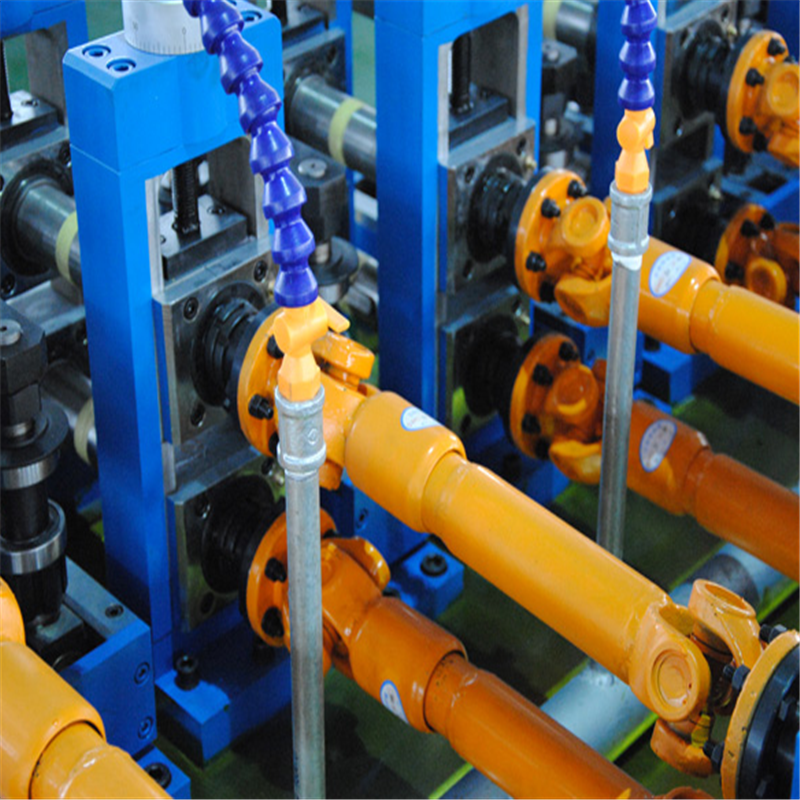
How does it work in practice? Sensors embedded throughout the steel tube mill machine track vibration, motor load, temperature, and current in real time. AI algorithms analyze this data to detect gradual wear patterns in feed rollers, contact tips, and drive systems—alerting maintenance teams before a failure stops production. Some systems can predict mechanical failures 72 hours in advance. Rather than waiting for ultrasonic or radiographic testing later in the line, smart welding systems adjust parameters on the fly to correct flaws instantly. PLC control architectures now support both local and remote operations, allowing engineers to diagnose issues without interrupting production.
The same logic applies to aluminum tube manufacturing and roll forming machines. IoT-enabled roll forming equipment tracks critical parameters like temperature, pressure, and machine speed, offering real-time insights that predict wear and reduce downtime. Industry studies indicate IoT adoption in roll forming can cut machine downtime by up to 30%.
Across the board, the message is consistent: IoT-enabled steel tube mill machines—alongside their aluminum and roll forming counterparts—are moving manufacturing from reactive troubleshooting to predictive performance management. The technology isn't coming. It's already on the floor.