Electric vehicles are the primary driver. Battery thermal management systems rely on aluminum tubing to circulate coolant through densely packed cell modules. The tubes must be thin-walled to minimize weight, yet strong enough to withstand vibration and pressure cycling over hundreds of thousands of miles. Oval and rectangular cross-sections are increasingly specified because they maximize surface contact with battery pouches, improving heat transfer efficiency. This shift away from round profiles requires manufacturers to retool their extrusion lines and invest in downstream equipment capable of precise, repeatable bending without collapsing the tube wall.
Solar panel framing represents the second wave. Ground-mounted arrays require miles of structural tubing to support panels at optimal angles. Aluminum's corrosion resistance and strength-to-weight ratio make it the clear winner over steel in these outdoor installations, which often sit in coastal or desert environments where moisture and temperature swings accelerate material degradation.
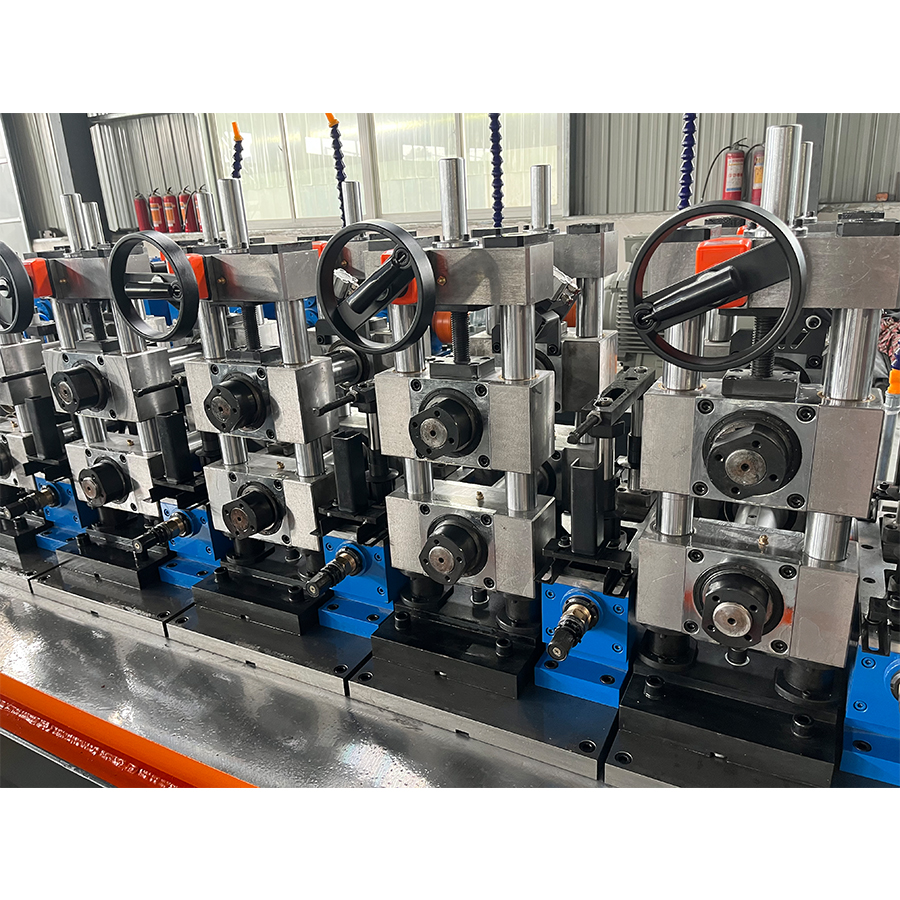
Meeting this demand requires more than just raw extrusion capacity. The fabrication process increasingly relies on specialized equipment. A roll forming machine processes coiled aluminum strip into open or closed profiles at high speeds, generating the long, consistent lengths required for solar racking systems. For the bent components used in EV cooling loops and structural frames, a pipe roller performs the curve work—handling tube diameters up to 165mm in a single pass while maintaining dimensional integrity.
The aluminum tube market is no longer a commodity business. It's a precision engineering sector where the right alloy, the right shape, and the right roll forming machine or pipe roller configuration determine who captures the growing share of these clean-energy applications.